
학부모민원갑질사례










The term "controlled substance" as defined by law varies significantly across jurisdictions, reflecting differences in societal values, healthcare frameworks, and past regulatory approaches. At its core, a controlled substance refers to a drug or chemical whose manufacture, possession, or use is regulated by law due to its potential for misuse, addiction risk, or public health threat. However, the specific substances classified as controlled, the levels of restriction applied, and the legal sanctions and monitoring systems differ widely depending on the country or region.
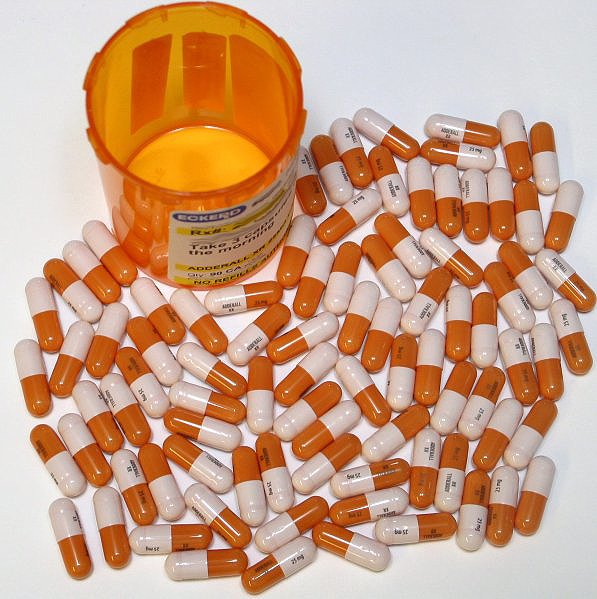
In the United States, controlled substances are categorized under the Controlled Substances Act of 1970, which divides them into five classification tiers based on their therapeutic value, abuse risk, and addiction potential. Schedule I includes drugs like opiates such as heroin, hallucinogens like LSD, and cannabis, which are deemed to have no recognized therapeutic benefit and Lorazepam-lääkettä apteekista significant abuse risk. In contrast, Class II compounds such as oxycodone and cocaine are recognized for medical utility but carry a high risk of dependence. Regional legislation can alter federal designations, with some states legalizing marijuana for medical or recreational use despite its federally prohibited classification.
Conversely, the United Kingdom operates under the 1971 Drug Control Legislation, which classifies controlled substances into Classes A, B, and C, with Class A carrying the harshest penalties. Substances like heroin, morphine, and crack cocaine are classified as Tier One, while cannabis moved from a lower to higher risk category in 2009 due to concerns over its rising strength and link to psychiatric conditions. The UK’s approach emphasizes prosecution of users and traffickers, although public health interventions have gained traction in recent years, particularly in community-based drug services.
Canada’s federal drug legislation follows a similar scheduling model but allows for more flexibility in medical access. Recreational cannabis became legally available across Canada in 2018, making Canada one of the rare nations implementing federal cannabis legalization. However, substances like fentanyl derivatives and magic mushroom active ingredients remain under strict regulatory oversight, and even medical use requires special authorization. Canada’s regulatory framework increasingly incorporates scientific evidence and public health outcomes into its decisions.
Within Australia’s drug policy framework, controlled substances are listed under the Therapeutic Goods Poisons List, which aligns with global drug treaties but is implemented at central and local government tiers. The country has adopted a pragmatic approach, with some states offering medically monitored injection rooms, and allowing restricted use of therapeutic marijuana. Despite these reforms, possession of many illicit substances remains a criminal offense, though diversion programs are becoming more common for minor offenses.
Member countries of the European Union maintain differing levels of legal alignment, guided by the EU Drugs Strategy and the 1971 Vienna Convention. Countries like Portugal removed criminal penalties for personal drug possession in 2001, treating drug use as a health concern instead of a legal violation. In contrast, nations such as Sweden uphold strict zero-tolerance policies, with rigorous punishment for supply and use.
In numerous Asian jurisdictions, drug laws are among the harshest in the world. Singapore mandates execution for large-scale heroin or cocaine trafficking, while Japan maintains strict controls over even mild stimulants like amphetamines. In contrast, Thailand has legalized limited marijuana use and is advancing therapeutic research, signaling a possible evolution of Asia’s drug stance.
Global agreements including the 1961 UN Narcotics Convention and the 1971 Psychotropics Treaty provide a baseline standard adopted by most nations, but application differs by country. This leads to substantial cross-border legal conflicts. A substance considered permitted in one country may carry heavy fines or incarceration in a different state, creating complications for individuals crossing borders, scientists, and drug developers.
Interpreting the statutory meaning of controlled substances requires more than a basic inventory of prohibited substances. It demands awareness of the legal, cultural, and medical contexts that shape drug scheduling and prosecution. The trend in many jurisdictions is toward evidence-based policy, with increasing recognition of addiction as a health issue rather than solely a criminal one. Nevertheless, the legal landscape remains fragmented, and individuals must exercise extreme caution, especially when entering foreign jurisdictions or accessing prescription-controlled drugs.
With shifting societal views, so too will the regulatory status of psychoactive compounds. What is considered illegal now may be reclassified tomorrow based on emerging science, shifting norms, or legislative action. For now, the key principle to remember is: always verify the legal status of any substance under the jurisdiction where you are located, as not knowing the law is not a legal defense.