
학부모민원갑질사례










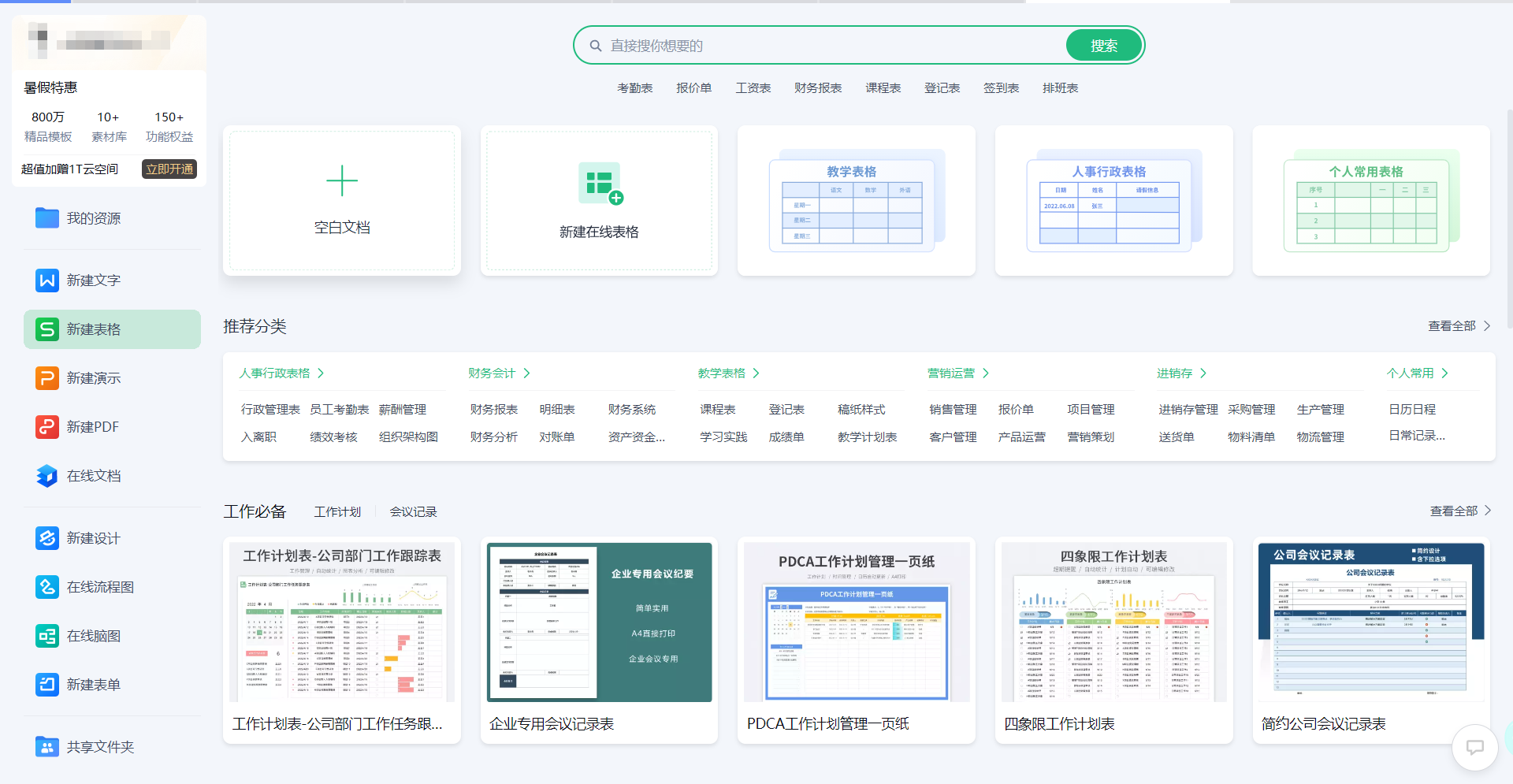
Producing polished invoices using WPS Writer templates offers a simple, effective approach to maintain a polished image for your business without needing advanced design skills or expensive software. WPS Writer, part of the WPS Office suite offers a range of customizable invoice templates that cater to freelancers, small businesses, and established companies alike. These templates are designed to be both aesthetically refined and operationally efficient, ensuring that all essential information is clearly presented to your clients.
To begin, open WPS Writer and navigate to the template gallery. From the home screen, select "New" and then choose "Templates" from the menu. You will find a variety of invoice templates categorized by style and purpose. Whether you prefer a simple and modern aesthetic, a contemporary design with branded hues, or a classic template with itemized breakdowns, there is likely a template that reflects your corporate identity. Once you find a suitable template, tap on it to begin editing a ready-to-customize form.
The next step is to update the fields with your organizational data. Most templates include placeholders for your company name, address, phone number, email, and tax identification number. Replace these with your authentic business data and consider inserting your brand mark to enhance professionalism. You can insert your logo by navigating to "Insert," then "Image". Position it appropriately, typically in the upper left or centered header, and resize it to maintain a clean appearance.
After updating your business information, move on to the client section. Fill in the recipient’s identity, firm, invoice address, and phone. This section is critical for accuracy and trustworthiness. Many templates also include an unique invoice reference and issue timestamp. It is good practice to use a consistent, ascending invoice codes to streamline bookkeeping and reconciliation. The date should reflect the date of generation, not service delivery, except where internal rules require otherwise.
The core of any invoice is the detailed breakdown of billed items. Each template typically includes columns for item name, count, per-unit cost, and extended amount. Enter each item with precision, ensuring that details are unambiguous and thorough. For example, instead of writing "consulting," write "Comprehensive site audit and keyword optimization, 5 hours." This level of detail helps avoid confusion and builds confidence in your billing. Use the built-in formulas in WPS Writer to generate dynamic sums, fees, and payable balance. These calculations update dynamically as you edit quantities or prices, reducing the risk of human miscalculations.
Adjust the design elements to align with your visual guidelines. Change typefaces, point sizes, and palette hues to reinforce your brand’s aesthetic. WPS Writer allows you to intuitively adjust typography using the ribbon controls. You can also tweak cell outlines, background fills, and positioning to create a sleek and organized presentation. Avoid clutter by maintaining generous margins and gaps. A clean layout enhances readability and conveys professionalism.
Before finalizing the invoice, perform a meticulous audit. Check for typos, incorrect numbers, and missing information. Confirm that the grand total accurately reflects all calculated charges. If applicable, include payment terms such as "Net 30" or "Due upon receipt", and indicate valid options including bank transfer, digital wallets, or cards. You may also add a thank you note or a brief message encouraging timely payment. This small gesture can foster goodwill and accelerate settlement.
Once satisfied, save the invoice as a PDF to preserve formatting and prevent unintended edits. To do this, go to "File," select "Save As," and choose PDF as the file type. PDFs are viewable everywhere without layout shifts. You can then send it via WPS’s built-in email function or embed it in your CRM or messaging app.
For customers requiring monthly or periodic billing, consider saving your customized template as a reusable file. Simply make your edits, then go to "File," choose "Save As Template," and store it in your personal template folder. This automates recurring billing and maintains uniformity in every invoice.
Using WPS Writer templates for invoicing does more than simplify your billing process but also strengthens your business credibility. Clients are inclined to accept and settle quickly when presented with professionally formatted, consistent, and branded documents. With minimal effort and no need for advanced technical knowledge, WPS Writer empowers users to produce high quality invoices that reflect the seriousness and reliability of your business.