
학부모민원갑질사례











Any type of residential or commercial property, whether it's business or property, can be a great financial investment chance. For your cash, commercial residential or commercial properties normally offer more monetary benefit than property properties, such as rental houses or single-family homes, but there also can be more risks.
Understand the complete advantages and disadvantages of buying business residential or commercial properties is essential so that you make the investment decision that's right for you.
What Is a "Commercial Residential or commercial property?"
Positive Reasons to Purchase Commercial Residential Or Commercial Property
Downsides to Investing in Commercial Residential Or Commercial Property
What Is a "Commercial Residential or commercial property?"
Commercial residential or commercial properties may describe:
- retail buildings
- office complex
- storage facilities
- industrial buildings
- apartment
- "mixed use" structures, where the residential or commercial property has a mix of usages, such as retail, workplace and apartments.
There are nuances to managing each of these types of residential or commercial properties. To paint a general photo, let's take a look at the benefits and drawbacks of investing in a single-story commercial retail structure, such as a community "shopping center."
Positive Reasons to Purchase Commercial Residential Or Commercial Property
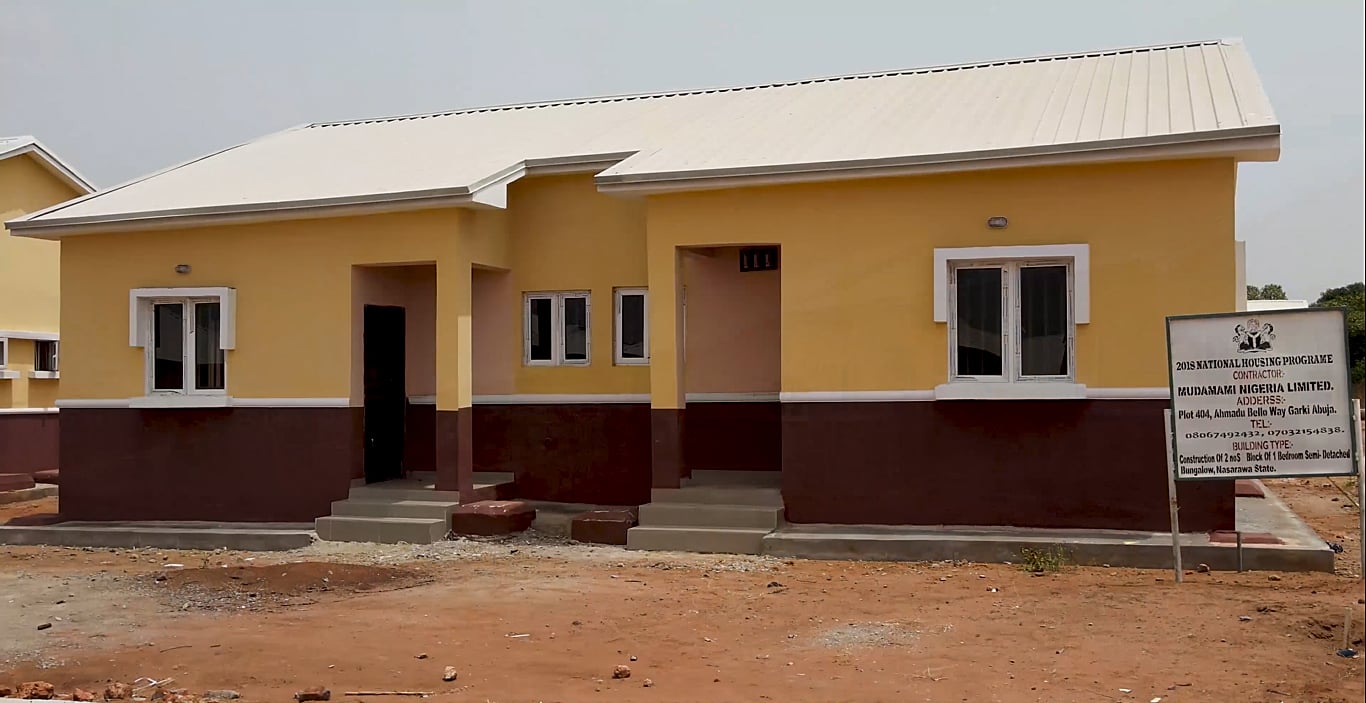
Here are some of the pros of buying commercial realty over home.
Income capacity. The very best factor to invest in commercial over residential leasings is the earning potential. Commercial residential or commercial properties normally have an annual return off the purchase price in between 6% and 12%, depending on the location, existing economy, and external factors (such as a pandemic). That's a much higher variety than generally exists for single family home residential or commercial properties (1% to 4% at finest).
Professional relationships. Small company owners tend to take pride in their businesses and wish to safeguard their income. Owners of commercial residential or commercial properties are typically not individuals, but LLCs, and run the residential or commercial property as an organization. As such, the proprietor and renter have more of a business-to-business customer relationship, which helps keep interactions professional and polite.
Public eye on the residential or commercial property. Retail tenants have a beneficial interest in maintaining their store and shop, because if they do not, it will impact their service. As an outcome, industrial renters and residential or commercial property owner interests are aligned, which helps the owner keep and enhance the quality of the residential or commercial property, and eventually, the value of their investment.
Limited hours of operation. Businesses typically go home in the evening. To put it simply, you work when they work. Barring emergency situation calls in the evening for burglaries or smoke alarm, you must have the ability to rest without having to stress about receiving a midnight call because a renter wants repair work or has lost a secret. For commercial residential or commercial properties, it is likewise most likely you will have an alarm tracking service, so that if anything does occur during the night, your alarm company will notify the appropriate authorities.
More objective cost examinations. It's frequently simpler to assess the costs of commercial residential or commercial property than residential, because you can request the existing owner's income statement and identify what the price needs to be based on that. If the seller is utilizing an educated broker, the asking price must be set at a cost where a financier can earn the area's dominating cap rate for the business residential or commercial property type they are looking at (retail, workplace, industrial, and so forth). Residential residential or commercial properties are frequently subject to more psychological rates. See Evaluating Cap Rate: Is that Residential Real Estate Investment Residential Or Commercial Property Worth It? for more on the topic.
Triple web leases. There are variations to triple net leases, but the standard concept is that you, as the residential or commercial property owner, do not need to pay expenses on the residential or commercial property (as would hold true with domestic property). The lessee handles all residential or commercial property expenses directly, consisting of real estate taxes. The only cost you'll have to pay is your mortgage. Companies like Walgreens, CVS, and Starbucks typically sign these types of leases, as they wish to maintain a feel and look in keeping with their brand, so they handle those expenses, which implies you as a financier get to have among the most affordable upkeep earnings producers for your money. Shopping center have a range of net leases and triple webs are not normally finished with smaller sized organizations, but these lease types are optimum and you can't get them with homes. For more on common lease terms, such as net leases, see Commercial Leases: Negotiate the very best Terms and related short articles in the Your Business Space & Commercial Lease section of this site.

More versatility in lease terms. Fewer customer security laws govern commercial leases, unlike the lots of state laws, such as security deposit limitations and termination guidelines, that cover residential property.
Downsides to Purchasing Commercial Residential Or Commercial Property
While there are many favorable factors to invest in commercial realty over residential, there are also unfavorable concerns to think about.
Time commitment. If you own an industrial retail building with 5 occupants, or even just a few, you have more to manage than you do with a property financial investment. You can't be an absentee landlord and optimize the return on your financial investment. With commercial, you are likely handling multiple leases, annual CAM adjustments (common area maintenance costs that occupants are accountable for), more maintenance concerns, and public security concerns. In a nutshell, you have more to handle; and just as your occupants have to stress over the public eye, you do as well.

Professional aid required. If you are a do-it-yourselfer, you 'd much better be accredited if you are going to handle the upkeep concerns at a commercial residential or commercial property. The likelihood is you will not be prepared to manage upkeep problems yourself and will require to employ somebody to assist with emergencies and repair work. While this added expense isn't perfect, you'll require to include it on to your set of costs in order to effectively care for the residential or commercial property. Remember to consider residential or commercial property management expenditures when examining the cost to spend for a business financial investment residential or commercial property. Residential or commercial property management business can charge between 5-10% of rent revenues for their services, that include lease administration. Evaluate in advance whether you desire to handle leasing and the relationships yourself or contract out those obligations.

Bigger preliminary investment. Acquiring a business residential or commercial property usually needs more capital in advance than obtaining a domestic rental in the same location, so it's typically more tough to get your foot in the door. Once you have actually acquired a business residential or commercial property, you can anticipate some big capital expenses to follow. Your residential or commercial property may be humming along for a few months and wham, here comes a $10,000 expense to attend to roofing repair work or a new furnace. With more consumers there are more centers to keep and therefore more costs. What you hope is that the gains in revenue surpass the gains in expenses, to support buying a business residential or commercial property over a residential one.
More dangers. Properties meant for commercial use have more public visitors and therefore have more people on the residential or commercial property every day that can get hurt or do something to harm your residential or commercial property. Cars can hit clients in parking lots, individuals can slip on ice during the winter, and vandals can spray paint the sides of the building. Incidents like these can happen anywhere, however possibilities of experiencing something like these occasions go up when buying business residential or commercial properties. If you're threat adverse, you might want to look more carefully at putting your money in homes.