
학부모민원갑질사례





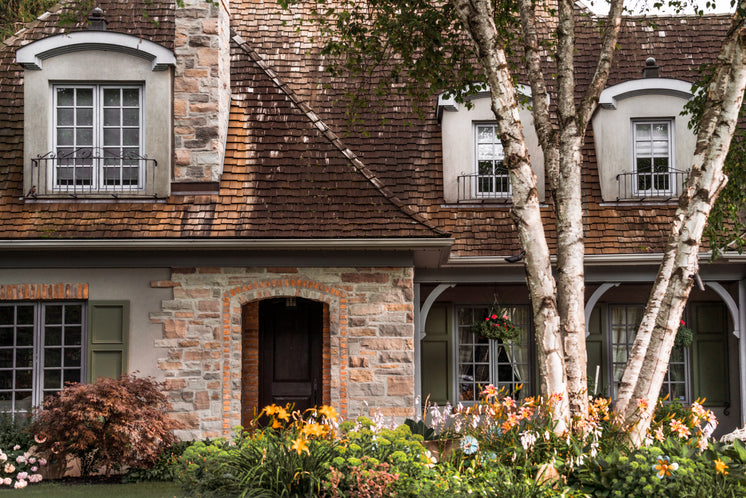
Aerial imaging has transformed the way properties for sale are showcased to interested clients. By shooting from above of homes and surrounding landscapes, real estate professionals can market properties in a way that was previously reserved for costly aerial services or elaborate rigging systems. The perks of using drone videography in property marketing are extensive and go well beyond just visually appealing images. One of the primary strengths is the ability to highlight the scale and layout of a property. A drone can float effortlessly over a house, showing the entire land area, the arrangement of outdoor spaces such as landscaped zones, swimming areas, and decks, and even proximity to nearby amenities like parks, schools, or shopping centers. This overhead viewpoint gives buyers a deeper insight of the property’s setting than traditional ground level photos.
In addition to showing spatial relationships, drone footage enhances the emotional appeal of a listing. Drone-captured twilight views of a beachfront villa or a winding driveway leading to a secluded estate can trigger deep emotional responses. These images help buyers picture calling it First-time home seller Peterborough, which can increase interest and lead to faster sales. Furthermore, properties with large acreage or those with unique architectural features benefit immensely from drone imagery, as these features are often nearly invisible from roadside perspective.
Using drones boosts marketing efficiency. A single drone shoot can generate dozens of high resolution photos and even cinematic video tours that can be shared on diverse media such as real estate portals, Facebook, interactive tours, and email campaigns. This reduces the time and cost associated with booking separate crews or organizing complex photo sessions. Drones can reach inaccessible locations like rooflines, dense foliage, or steep slopes without the need for ladders or cranes, making the process more secure and economical.
A key differentiator is the strategic upper hand it provides. In a saturated market, listings with professional aerial photography catch the eye. Buyers today seek rich, interactive visuals, and properties that include overhead tours often generate higher click-through rates. Research indicates that homes marketed with drone visuals move off the market sooner and sometimes at higher prices than those not featuring them.
Moreover, drone technology has become more widely available and budget-friendly. Contemporary drones for real estate are equipped with advanced stabilization, ultra-HD sensors, and automated flight algorithms that make achieving polished cinematic results simpler and more reliable than ever before. Real estate agents no longer need to be certified pilots to use drones effectively, as many services now offer drone photography as an add-on package through third party vendors.
Ultimately, aerial imaging ensures faithful depiction of real estate features. Buyers favor comprehensive disclosure, and drone perspectives help them evaluate terrain flow, slope characteristics, and surrounding proximity. This minimizes miscommunication and post-sale conflicts, fostering trust between agents and clients.
In summary, integrating drone photography into real estate listings provides a powerful tool for highlighting residences through immersive, insightful, and compelling visuals. It optimizes advertising strategies, deepens client comprehension, and delivers a more immersive and reliable purchasing journey. As innovation moves forward, drone photography is no longer a luxury—it is becoming an core requirement of modern real estate marketing.





