학부모민원갑질사례










A dishwasher typically shows signs of wear only when it stops working. In the event that it's running well there is no need to think about it. Plates are cleaned, come out clean, and life moves on. The day it starts acting strange, the usual kitchen routine goes down quicker than anticipated. Food items remain in the fridge, water is not removed, dishes remain dirty, or the machine does not begin at all.
A majority of people will initially ignore small signs. A little noise feels normal. A faint smell can be just a little. However, dishwashers will alert you long before they're truly failing. Understanding these problems early helps determine if they can be fixed quickly or if it's time to call a repair expert.
Dishwasher may not be cleaning dishes properly
The most common complaint. The machine is running while water flows through it, and detergent is used but dishes will be stained or food remnants.
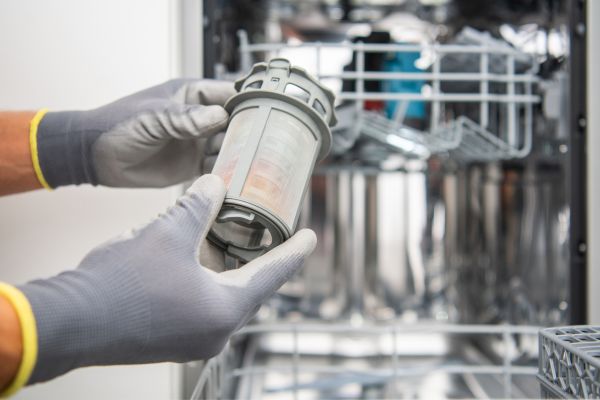
Sometimes, the issue is straightforward. Spray arms can be blocked by food particles. Filters could become blocked. The parts require periodic cleaning although many people do not even know that they exist.
When cleaning the filter fails to make a difference, the problem could be deeper. Weak water pressure inside machines, worn out spray arms or heating issues could reduce cleaning performance. In this case, repeat ishes do nothing but waste water and electricity.
If your dishes are still dirty, despite the proper loading process and detergent use an expert in repair should review the internal parts.
Water doesn't drain after wash
When you open the dishwasher to find dirty water sitting at the bottom is frustrating. Many people attempt restarting the dishwasher. Some individuals manually scoop water, and hope it does not make a comeback.
Problems with drains often begin small. Food particles can clog the drain and filter. Sometimes, the sink drain connection leads to backflow.
If washing visible areas does make a difference then the drain pump might be defective. By not addressing this issue, you can result in problems with odors, leaks or maybe electrical problems.
The presence of water at the end of every cycle is a clear indication that a professional repair is required.
Dishwasher has stopped working completely.
When you press the start button, finding nothing happening causes panic. Prior to assuming the worst basic checks help. Check the power supply, door latch, and control lock settings should be examined.
If power is on and the door locks properly, the issue may involve an issue with the control panel or internal wiring. They are not the parts to test.
Repeated start failures usually mean electrical malfunctions. At this point, calling an expert in repairs is more reliable than trial and error.
Unusual noises during operation
Dishwashers are noisy, but there's a difference in normal operation noise and sudden grinding or rattle.
Poorly loaded or loosely positioned racks cause temporary noise. It's simple to fix.
If the sound continues to ring even when the machine is empty, internal components could be worn. Motors, pumps, or bearings can deteriorate over time.
A strange sound shouldn't be ignored. In the course of operation, it can damage parts that are repairable.
Dishwasher water leaks
Water on the kitchen floor after a wash cycle can be an indication of danger. Leaks that are small tend to go undetected under the machine.
Common causes include damaged door seals, loose air hoses, and cracked spray arms. Certain leaks are only visible when certain cycles are in use.
By not noticing leaks, you can harm flooring, cabinets and electrical cables nearby. If the cause is not obvious, professional inspection becomes necessary.
Water damage can be more costly to repair than the dishwasher in many cases.
Dishwasher that leaves bad smell
Bad odor inside a dishwasher is common, yet it's often misunderstood. The buildup of food particles, grease and moisture create smell over time.
Basic cleaning will help. Running hot cycles, cleaning filters, and closing the door open following use helps reduce odor.
If the smell doesn't go away even after cleaning and internal drainage issues, stagnant water may be the reason. Mold growth inside hidden parts is a possibility.
A strong persistent odor generally requires expert attention to identify internal root causes.
Dishwasher has not dried dishes
Dishes that remain wet after the cycle is aggravating. Drying issues typically stem from air conditioning or heating elements.
It is thought by some that this is normal, however modern dishwashers are designed for efficient drying.
If drying performance decreases suddenly The heating element may be malfunctioning. In addition, defective sensors can affect drying cycles.
Heating-related electrical equipment should not be handled in the absence of any technical understanding. Expert assistance in repairs is required in this regard.
Error codes in the display panel
Modern dishwashers display error codes. These codes can be confusing for consumers due to the fact that manuals are often missing or unclear.
A few error codes can be related to minor issues, like interruptions in the supply of water. Other error codes point to major internal faults.
It is not recommended that error codes repeated over and over be ignored or reset repeatedly. The consequences of doing this could worsen the issue.
Repair professionals are experts in understanding these codes and is able to diagnose accurately without speculation.
If quick fixes don't work,
The majority of dishwasher problems begin with small solutions. Cleaning filters as well as checking the hoses or hoses before resetting power or changing loading patterns can help to start.
When the same issue appears repeatedly, it indicates the existence of a bigger issue. In the short term, fixes are time-consuming and also frustrating.
Repeated breakdowns mean the same-day dishwasher repair Melbourne (rosewood.edu.na) is asking for professional attention.
What are the reasons why delaying repairs costs more?
Many people put off calling an expert repair service, hoping the issue will be resolved by itself. Dishwashers seldom heal themselves.
Small problems can strain other components. An obstruction to draining can cause problems for the pump. The heating issue can impact the cleaning efficiency. Electrical malfunctions can cause a rapid spread.
Repairs performed early typically cost less and protects the appliance from the possibility of a major breakdown.
If replacing is the better option
Each dishwasher is not repaired. Very old machines with repeated failures might not justify the cost.
An expert in repair can advise on the truth of the matter whether repair is appropriate or if a replacement is more beneficial.
This choice is based upon condition, age and availability of components.
Choosing the best repair expert
Dishwashers are a complex appliance that combines water, heat, and electronics. Incorrect repair can pose safety risks.
Qualified repair experts diagnose before fixing. They will not repair or replace any part blindly.
Avoid quick fixes without an examination. An open diagnosis and explanation of the issue.
Practical closing thoughts
Dishwashers typically show signs prior to getting completely broken. The failure to pay attention to these signals can cause stress and costs.
Knowing the most common problems with dishwashers helps make the right decision about when to do simple cleaning, and when to step back and call a repair expert.
Timely repair keeps the appliance efficient and extends its use. A delay in repair can lead to damage that is not preventable.
In the end, knowing when to stop fixing and instead begin to repair professionally can save you money, time and peace.